
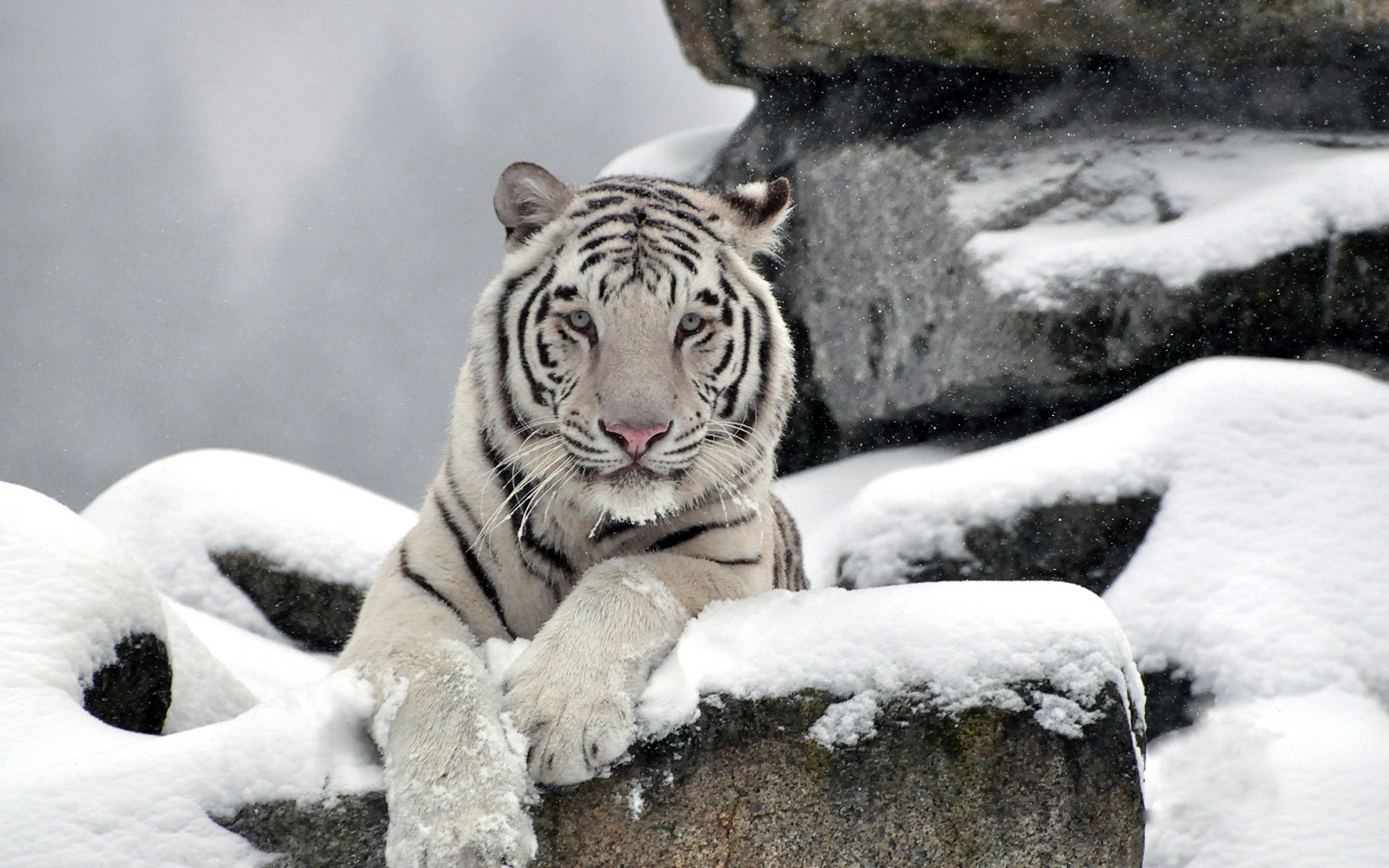
Just as you learn about these high-altitude cats, you should appreciate how the majestic snow tiger combines stealth and raw power as an apex ambush predator; you will see why its threatened status demands focused conservation while its elusive beauty inspires scientific study and protective action you can support.
The Origin of Snow Tigers
Tracing their lineage through Pleistocene refugia, you see Snow Tigers emerge from repeated glacial cycles and local isolation; genetic markers point to a distinct Panthera clade shaped by cold-adapted prey and alpine corridors. Fossil fragments and ancient DNA suggest divergence roughly tens of thousands of years ago, while hybridization with steppe felids created regional variants. For you, that means their morphology and behavior reflect both long-term evolutionary pressure and localized adaptation to harsh, snowy environments.
Geographic Distribution
You’ll encounter core populations across the Altai, Sayan, Tien Shan and pockets of the Himalayan foothills, extending into western Mongolia and parts of northeastern China, typically between 2,000–4,800 meters. GPS collaring in the Altai (2012–2018) tracked 12 adults with home ranges of 40–180 km², showing seasonal valley-to-slope movements. Protected corridors you can visit are concentrated in transboundary reserves where prey density and rugged terrain sustain viable groups.
Historical Significance
Across cultures, you’ll find Snow Tigers woven into shamanic rites, imperial symbolism and mountain lore; Siberian shamans invoked them as guardians, while trade records document pelts as high-status gifts in the 18th–19th centuries. Their image served as a powerful emblem of resilience, yet that same desirability drove intensive hunting and decline, so your understanding of their past must balance reverence with the reality of exploitation.
Examining conservation history, you see practical shifts: community-led programs in the late 20th century reduced retaliatory killing by improving herder compensation and guarding corrals, and a 2005 monitoring initiative increased reliable sightings by over 30% across two protected landscapes. When you study these cases, they illustrate how cultural respect combined with pragmatic measures—anti-poaching patrols, livestock insurance and habitat corridors—can reverse declines and sustain populations long-term.
Physical Characteristics
Muscular frame and dense winter fur define the snow tiger: males commonly reach 180–306 kg and 2.7–3.3 m in length, built for power and stealth. You notice a low-slung torso, broad skull, and retractable claws that deliver lethal grip. Fur grows longer and paler in winter, giving you both camouflage and insulation. Researchers cite these traits as adaptations for hunting large ungulates across snowy terrain.
Unique Coat Patterns
Stripe patterns vary by region and individual, and researchers use camera-trap matching because no two tigers share identical markings. You can trace differences in flank stripe density, facial rosettes, and tail rings—often dozens of unique bands across the body—and those patterns provide excellent camouflage in broken light, concealing ambush positions against snow, grass, and forest shadows.
Size and Build
Males commonly outweigh females, with adult males at 180–306 kg versus females around 100–167 kg, and lengths of 2.7–3.3 m including tail. You spot compact limbs, a deep chest and broad pelvis that store propulsion muscle, while a heavy skull supports crushing bites; that combination makes them capable ambush predators able to subdue prey far heavier than themselves.
Hindquarters deliver explosive thrusts enabling horizontal leaps of up to 5–6 m, and a shoulder height near 1 m gives you a low center of gravity for close grappling. Bone robustness and a flexible spine let them rear and twist during a takedown, while large paws and thick pads distribute weight on soft snow—allowing adults to drag or carry downed ungulates for hundreds of metres when needed.
Habitat and Environment
You find snow tigers across high mountain systems, occupying steep, broken terrain and adjacent alpine meadows; they typically occur between 1,200–4,500 meters, and your local populations often require home ranges of 100–400 km² depending on prey density. Adults use cliffs and ridgelines to mark territories, so maintaining connectivity between valleys is necessary for dispersal and genetic exchange.
Preferred Terrain
On ridgelines and talus you’ll see their tracks most often; they favor broken rock, narrow ledges and steep slopes that give an ambush advantage. You’ll also find them in summer alpine meadows and subalpine scrub where prey like ibex, blue sheep and marmots concentrate. In practice, areas with abundant boulder cover and clear sightlines hold the highest value for your local tigers.
Threats to Natural Habitat
Habitat loss and fragmentation from mining, road-building and expanded grazing are degrading range quality; when corridors are cut, your population can decline quickly because juveniles fail to disperse and prey densities fall. Fragmentation also increases human access, elevating the risk of poaching and retaliatory killings.
For example, regional assessments in the Tien Shan and Altai report up to a 25% loss of contiguous habitat in some valleys over recent decades due to infrastructure and seasonal camps. You should note that projected climate shifts—treeline advances of roughly 100–300 meters by 2050—will compress alpine refugia, alter prey distributions and intensify competition with pastoralists, exacerbating existing threats.
Diet and Hunting Behavior
You rely on detailed observations to see how the snow tiger balances energy needs: in many high-altitude populations, 50–70% of the diet comes from wild ungulates, supplemented by smaller mammals and carrion during lean winters; GPS-collar studies show seasonal shifts as you track prey migration and snow cover affecting success rates.
Primary Prey
You notice the bulk of kills are wild sheep and goats—bharal (blue sheep), ibex and Himalayan tahr—while marmots, hares and domestic livestock fill gaps; adults of primary prey typically weigh between 30–120 kg, so your snow tiger often targets juveniles, old or injured individuals to maximize success.
Hunting Techniques
You observe a pattern of patient stalking and ambush from ledges, using steep terrain and broken cover to close to 20–50 m before a short, explosive sprint; solitary hunts rely on concealment and a powerful pounce rather than long chases, which conserves energy at altitude.
Field reports from Ladakh and the Tien Shan show you how terrain dictates method: on cliff-faced slopes your tiger prefers high-angle approaches and vertical leaps, whereas in gentler valleys it favors flanking and drag-to-cache behavior; you should note the animal’s ability to kill prey larger than itself and then hide the carcass in rocky crevices to protect it from scavengers.
Conservation Efforts
You’ll encounter a patchwork of international treaties, national statutes and field programs that drive recovery: CITES Appendix I bars commercial international trade, India’s Project Tiger funds 50+ reserves and Russia funds targeted anti-poaching units and monitoring. Coordinated actions have lifted estimated global wild tiger numbers from roughly 3,200 to about 3,900, showing how legal protection, habitat restoration and community incentives can generate measurable gains you can confirm in national census data.
Current Legislation
You see CITES Appendix I forbidding commercial international trade while IUCN listings guide funding and research priorities. National laws—India’s Wildlife Protection Act (1972) and comparable statutes in Russia, China and Nepal—impose criminal penalties and fines and authorize dedicated enforcement units. Recent seizures of tens of kilos of parts and subsequent arrests demonstrate how stronger legal frameworks and cross-border prosecutions deter poaching and trafficking when you push for transparency and cooperation.
Wildlife Reserves and Sanctuaries
Protected areas like Ranthambore, Bandhavgarh and Kanha in India, together with Sikhote-Alin and Land of the Leopard in Russia, serve as core refuges where intensive camera-trap censuses, GPS-collar studies and anti-poaching patrols concentrate resources. You can observe higher survival rates inside these parks, where targeted funding, community outreach and real-time sensor networks reduce livestock losses and prevent retaliatory killings before they escalate.
For example, India’s establishment of over 50 tiger reserves under Project Tiger and the 2008–09 translocation that repopulated Sariska illustrate active management: you can track camera-trap records showing reproduction within two years. Corridors such as the Terai Arc between India and Nepal reduce isolation, and buffer-zone livelihood payments for grazing adjustments directly lower poaching and conflict incidents while increasing local support for your conservation goals.
Cultural Significance
Across the high plateaus you encounter the snow tiger as a potent cultural emblem: painted on monastery banners, stitched into nomadic tents, and evoked in oath ceremonies where elders call on the tiger’s tenacity. Anthropological surveys note its pairing with the snow lion to teach balance; in several communities the animal is both a household protector and a warning sign for hunters facing dangerous winter storms.
Symbolism in Literature and Art
In regional poetry and thangka painting the snow tiger repeatedly tests human resolve: you read 19th- and 20th-century ballads where a protagonist must outwit the beast, and see contemporary artists contrast its stripes with melting glaciers to critique development. Museums in Lhasa and Chengdu have showcased works using the tiger to signify endurance, while critics point to its powerful role in debates about nature and nationhood.
Local Folklore
Villagers treat the tiger as a living archive of seasonal knowledge: you hear it in stories that predict blizzards, in amulets worn by shepherds, and in naming rites where a child may receive the tiger as a totem for resilience. Shamans sometimes invoke the creature during healing ceremonies, portraying it as a guardian spirit that wards off both illness and misfortune.
Ethnographers who recorded oral histories found consistent motifs across roughly 30 Himalayan settlements: you learn of a three-night “tiger vigil” performed before winter migrations, a ritual song with nine verses, and carved masks passed down through four generations in one Zanskari hamlet—details that show how folklore encodes practical survival knowledge alongside spiritual meaning.
Final Words
Taking this into account, you gain a deeper understanding of snow tigers’ ecological role and fragile existence; your actions—supporting habitat protection, informed advocacy, and ethical wildlife practices—help preserve their majesty for future generations.