
Ecofriendly pet supply materials and packaging have had quite the adventure. The way brands handle pet toys, treats, litter, and all the other essentials has changed a lot due to shifting priorities—from pure convenience to greener, more sensory-considerate choices. I’ve spent years researching, collecting, and using pet products, and it’s amazing how much has evolved on store shelves since I was a kid.
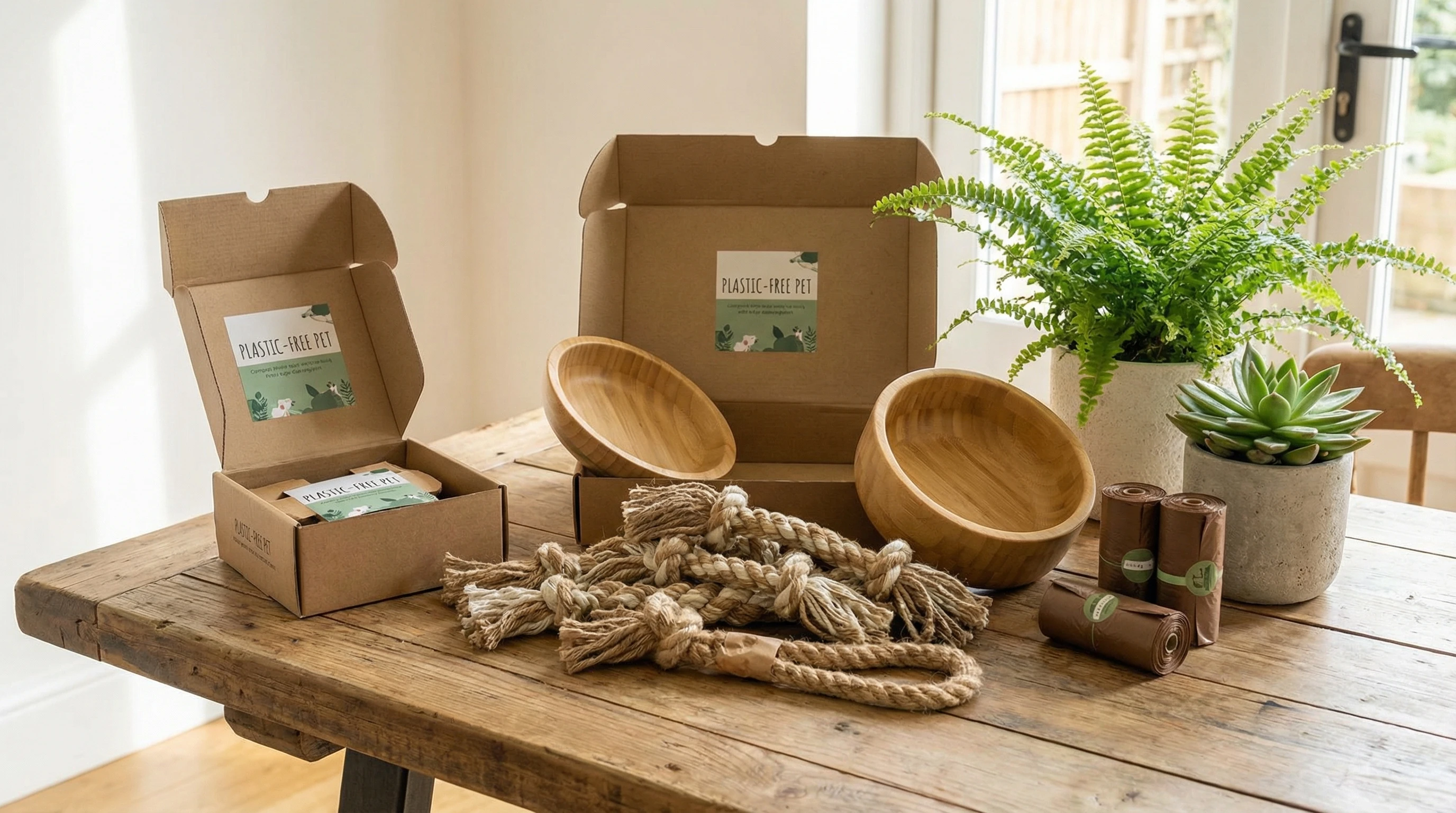
How Pet Supply Packaging Has Evolved
If you rewind a few decades, almost all pet supplies came in traditional plastic bags, sturdy cardboard boxes, or metal tins. Not many people stopped to think about what happened to those packages after they landed in the trash. Sensory overload from crinkly plastic and chemical smells was just expected, and folks who dealt with sensory sensitivities barely had any alternatives. There was a mountain of waste, and hardly any focus on recycling or composting.
By the late 1990s and early 2000s, concern over plastic waste and crowded landfills became much more noticeable. Consumers started pressing brands for more planetfriendly options, and neurodivergent pet owners began to speak up about textures and fragrances that made shopping a challenge. Companies—both large and independent—began to take notice, slowly but surely responding to these demands.
“Green” packaging started showing up in small ways, like dog poop bags labeled “biodegradable” (though the earliest versions rarely composted in practice). Soon, we saw recycled cardboard treat boxes, bamboo-infused cat bowls, and basic canvas dog plushes. These swaps cut out the harsh chemical fragrances and replaced noisy crinkle fillings in toys with plantbased dyes and gentler, quieter stuffing, making the experience more pleasant for sensory-sensitive pet lovers and their companions.
Common Ecofriendly Materials
Modern ecofriendly pet supplies use an array of materials that are kinder to both people and the environment. The sensory qualities of each material come in handy for neurodivergent folks like me who want to skip sharp sounds, slippery plastics, or overpowering chemical odors.
- Recycled Cardboard: Lightweight, simple to break down, and softly textured. It’s a winner for treat boxes and shipping cartons.
- Bamboo: Naturally resists bacteria, doesn’t trap smells, and is comfortable for bowls and grooming tools.
- Cotton & Hemp: These skip the synthetic dyes and bleaches. Rope toys made from undyed cotton or hemp are gentle to the touch—no crackling, just natural softness and peace.
- PLA and Compostable Bioplastics: These are becoming more common, mimicking plastic but made from plant sources like cornstarch or sugarcane. The best kinds compost in controlled facilities, and typically don’t have that harsh crinkle or strong chemical scent.
- Cork & Natural Rubber: Great for chew toys and mats, these materials are soft underfoot or in the mouth and tend not to hold onto odors.
Manufacturers targeting sensory inclusivity skip the usual pitfalls—like stiff clamshells and squeaky bags—and instead use smooth, quieter packaging. Soft pouches, recyclable paper wraps, and easyopen closures help autistic pet parents or those with ADHD-related sensory quirks unbox products without feeling stressed out or overwhelmed.
Current Trends in Sustainable Pet Packaging
Ecofriendly trends go way beyond a green leaf logo. As pet supplies become more popular (it’s easily one of the fastest-growing retail markets, even topping many human products), brands are working hard to set new standards. A few stand-out strategies are catching on:
- Refillable and Return Systems: Many shoppers now bring jars or reusable pouches to fill up with dry food or litter at specialty shops, or they mail back empty containers to the brands. This lessens clutter and packaging waste at home, especially appealing to neurodivergent folks craving less mess and easier routines.
- ZeroWaste Designs: Inclusive brands make every part of the packaging either compostable, recyclable, or upcyclable. That means no mixed-material bags or noisy plastic insert liners destined for the landfill.
- Minimalist Aesthetics: Sensory-friendly packaging always keeps the branding calm. No neon colors, shiny metallic ink, or slick high-gloss. Just clear text, muted earthy colors, plant-based inks, and simple labeling for what’s inside.
- Transparent Sourcing: Companies now say it clearly right on their boxes or websites: where their materials come from and what they’re made of. Great if you have chemical sensitivities or need hypoallergenic options for you and your animals.
You’ll now spot compostability claims like “Good for your compost pile” or packaging that’s sealed with paper tape, never plastic ties. Even big-box stores are stocking plantbased wrappers and resealable, easy-to-grip closures—a real help if your hands get tired or fidgety, or you prefer a gentler tactile feel.
SensoryInclusive, NeurodivergentFriendly Packaging
Neurotypical shoppers normally toss out boxes without worrying about strong plastic smells, but for those with sensory differences—autistic, ADHD, or otherwise—packaging can truly impact the product experience. More and more brands are embracing packaging that soothes nerves and keeps handling stressfree.
- Easyopen packages cut out tough “tear here” strips, so there’s no fight or danger of injury from sharp plastic edges.
- Matte, soft surfaces provide a non-slip, calming experience, often in neutral or unscented finishes that won’t cause overload.
- Instead of plasticky noise, reused paper padding or shredded natural fibers keep opening a box peaceful—even enjoyable.
- Labels appear in big, easy-to-read text with simple icons. That’s a true win for buyers who might get distracted by tiny print or overloaded graphics.
Plenty of neurodivergent pet owners (myself included) swap tips online for brands that keep opening, using, and storing pet gear a smooth routine, not an overstimulating hassle. There’s also a push for “quiet aisles” and special displays in stores, making the whole shopping trip more accessible. This shows just how much inclusivity can shape the entire pet product scene, from design all the way to the customer experience.
Common Barriers and What to Watch For
Swapping to ecofriendly and sensory-considerate packaging is a win, but there are still some tradeoffs and things worth watching out for:
- Higher Cost: Planetfriendly materials like bamboo and biodegradable plastic usually cost brands more, so you’ll often find these products a little pricier. In my experience, though, plenty of folks are fine paying a bit extra for peace of mind and packaging that won’t stick around in the trash for decades.
- Durability: Paper and bioplastics can get soggy or wear out faster than thick plastics—a compostable treat pouch left in a damp corner may fall apart, and natural-fiber toys don’t always last with power-chewing dogs. It’s a fair tradeoff for sending less plastic to the landfill.
- Greenwashing: Not every “eco” badge means what you think. Some products claim to be biodegradable but only break down at certain composting plants. Taking a few moments to dig into a brand’s claims makes a big difference when you want to be sure.
- Availability: If you shop at smaller stores or live in a rural area, greener choices might be harder to track down. Going online opens up more clearly labeled, ecofriendly, and sensory-ready packaging than most brick-and-mortar stores can fit on the shelves.
Tips for Picking Accessible, Ecofriendly Pet Supplies
I’ve picked up some reliable tricks for finding the best supplies for myself and my pets—especially when I want gentle textures, quiet openings, and a stressfree experience:
- Look for clear compostable, recyclable, or refillable badges, and avoid vague “eco” claims with no details.
- Choose brands that plainly spell out what their packaging and file materials are made from.
- Pick items sealed with recycled paper or natural fiber twine instead of sticky plastic tapes or excessive stickers.
- Try out refill programs if clutter or singleuse plastic is driving you up the wall. These systems really help if you want less trash at home.
RealWorld Impact and What’s Next
The call for ecofriendly, neurodivergent welcoming pet products continues picking up steam each year. Consumers are seeking solutions free from sharp plastic, glaring patterns, or harsh scents. This push has brands rushing to develop new options, bringing compostable wrappers, hypoallergenic padding, and gentle, tactile surfaces to the forefront.
Experts predict that in the next five to ten years, nearly every big-name pet brand will stock a sustainable, sensory-inclusive version of their flagship items. Imagine treat pouches that break down in a home compost pile and soft, lowgloss packaging printed with bold, minimalist instructions. If you want to check out more, the blogs at Sustainable Pet and the Pet Sustainability Coalition are great resources for current trends, innovation highlights, and brand recommendations.
Going green with your pet essentials isn’t just about the planet—it’s about smoother routines for you and your animal companions, especially if sensitivities are part of your everyday life. I personally get peace of mind knowing my packaging will fade away gently, won’t overload my senses, and helps guide the industry toward a kinder, cleaner direction.
Frequently Asked Questions on Ecofriendly, NeurodivergentFriendly Pet Packaging
Is compostable packaging always safe for pets?
For the most part, yes, but always read the fine print for any additives or dyes. If your pet likes to chew the wrapper, pick things made from untreated paper, bamboo, or natural rubber, and avoid packages that only compost at industrial facilities.
Where can I find pet products that support both sustainability and sensory access?
Online platforms now list packaging and material info prominently. Specialty ecofriendly shops or your local refill store are also worth a look. Don’t hesitate to ask store employees for sensory-friendly options—the more people ask, the more prevalent these products become!
How can I tell if a product is truly ecofriendly?
Look for third-party stamps like FSC for papers, “home compostable” badges, or direct recycling and reuse statements. If details are missing, it’s absolutely okay to email or call the brand for more transparency.