
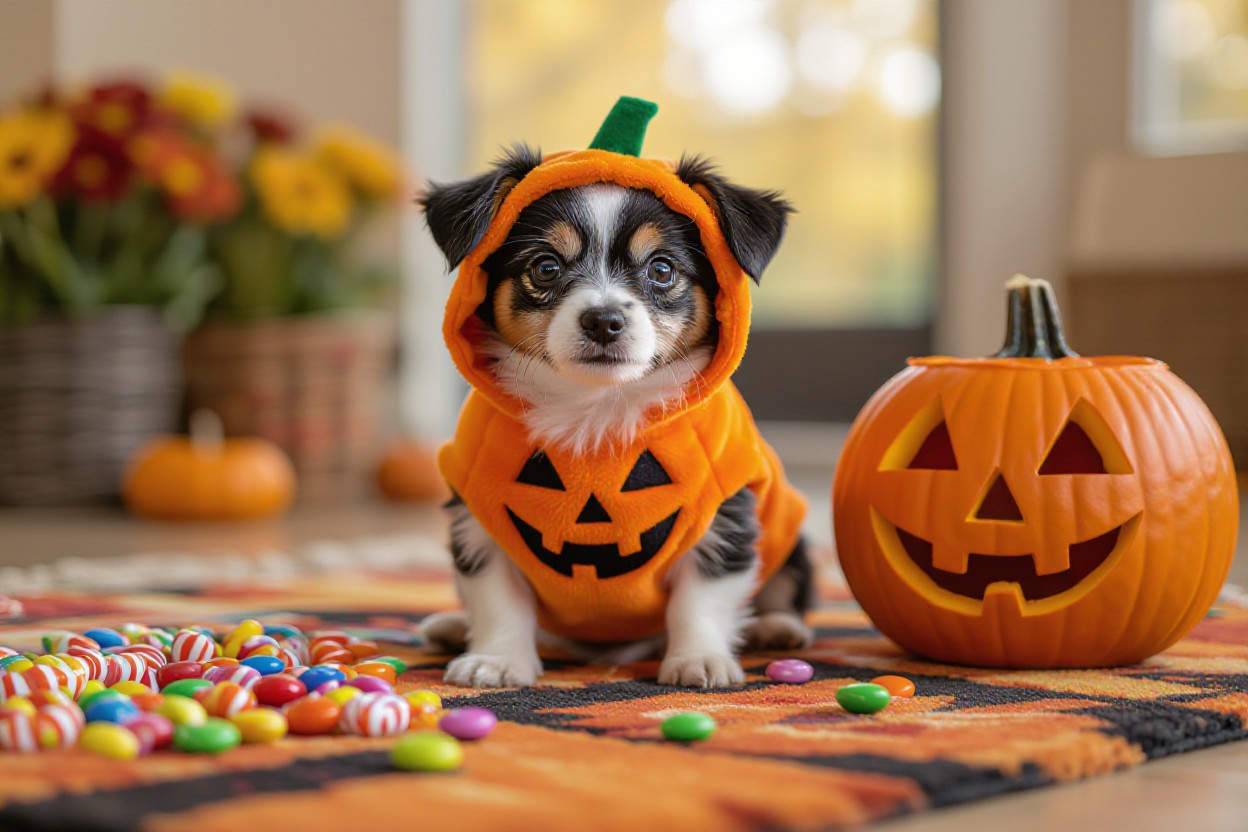
Over the Halloween season, you should choose costumes that prioritize your pet’s well-being while still being festive; opt for well-fitted, breathable materials that maximize comfort and visibility, avoid small parts or loose accessories that pose choking hazards, and check frequently for signs of stress or overheating; by focusing on safety, comfort, and supervised outings you can ensure your pet enjoys the celebration without unnecessary risk.
Popular Halloween Costume Ideas for Pets
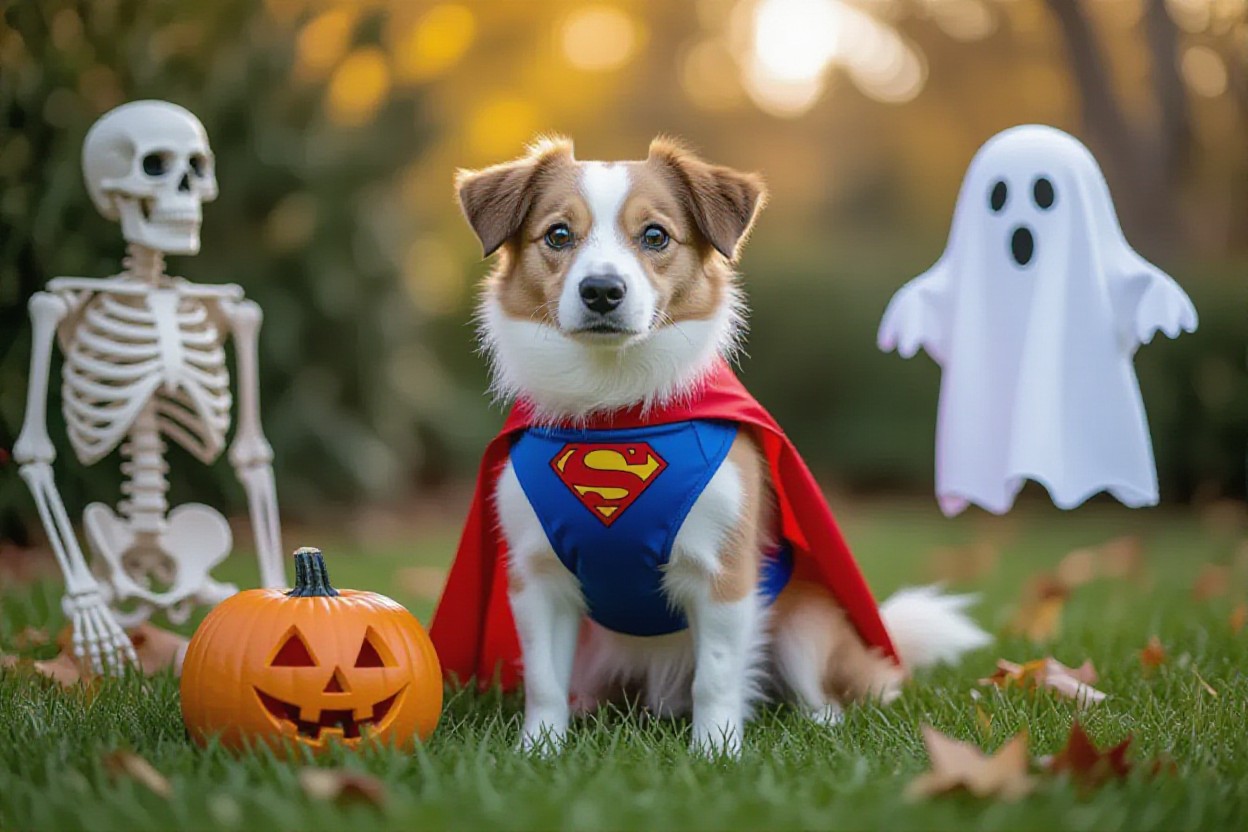
Go for quick classics like a pumpkin vest, superhero cape, or matching owner-and-pet costumes; many owners pair outfits for photos and shorter outings. Pick materials that are lightweight and breathable, add reflective strips or small LED lights for night visibility, and avoid anything with loose parts, elastic choking hazards, or obstructive masks. Test a costume for 10–15 minutes indoors before heading out to check fit and behavior.
Costumes for Dogs
Choose styles by temperament and body type: bandanas and capes suit high-energy mixes, while padded vests or sweater-coats work for short-haired breeds. You should measure chest, neck, and back length and allow about 1–2 cm extra for movement. Watch for overheating in brachycephalic breeds and remove layers if panting or slowed gait appears; adding a reflective collar or LED light improves safety on evening walks.
Cats
Opt for minimal pieces like a lightweight bow tie, breakaway collar, or a short vest—most cats tolerate only brief wear. Introduce items slowly: start with 30‑second sessions, then increase to 3–5 minutes while you observe posture and grooming. Steer clear of head masks and dangling attachments; supervise closely and remove the accessory at the first sign of stress or restricted breathing.
For more control, use a soft harness that fits snugly without rubbing, and prefer fabrics such as cotton or microfleece which wick moisture and reduce irritation. You should check fastenings every 5–10 minutes during indoor trials, trim any long threads, and avoid decorations like buttons or bells that can be chewed off—small parts pose choking risks and escalate stress in sensitive cats.
Accessories for Other Pets
Small pets like rabbits, guinea pigs, ferrets, birds, and even some reptiles can wear tiny bandanas, non-restrictive capes, or festive harnesses, but you must consider species-specific needs. Keep added weight very low—aim for under 5% of body weight for small animals—and avoid anything that limits thermoregulation or locomotion. Always supervise outings, and choose non-toxic, secure fastenings to prevent ingestion or entanglement.
For birds, restrict accessories to short, supervised photo sessions and never during free flight; for rabbits and guinea pigs, ensure the item doesn’t trap fur or impede hopping. Reptiles need ambient-temperature-appropriate fabrics because extra insulation can alter body temperature. When in doubt, use removable accents like reflective tape or LED tags that provide visibility without restricting movement.
Safety Considerations
Keep focus on movement, breathing and supervision: ensure your pet can walk, sit and see without obstruction, and never leave them unattended in costume. Check for choking hazards like loose buttons or strings and remove pieces smaller than 2.5 cm. Use reflective trim for evening walks and quick-release buckles, and have ID and microchip details up to date. If you notice difficulty breathing, excessive panting, or collapse, remove the outfit and seek veterinary care.
Choosing Pet-Friendly Materials
Opt for breathable, washable fabrics such as cotton or mesh and avoid PVC, vinyl, glitter, metallic trims and heavy foam. Pick non-toxic, dye-fast materials labeled for pets or children, and secure decorations with stitching rather than glue. Favor flat seams and soft closures—Velcro or adjustable straps—over tight elastics around the neck. If a part is smaller than 2.5 cm, don’t use it; loose pieces are a major choking risk.
Ensuring Comfort
Fit the costume so you can slide one to two fingers between fabric and skin at the neck and chest, and introduce the outfit in 5–10 minute sessions before Halloween. Watch for pawing, rubbing, panting or refusal to move as signs of distress. Limit full wear to 10–15 minutes at first, supervise closely, and choose lightweight designs that don’t restrict limbs, ears or tail.
Look for behavioral cues: repeated scratching, lip licking, yawning, a tucked tail, flattened ears or a change in gait indicate discomfort or overstimulation. When you see any of these, remove the costume immediately and try a simpler option like a bandana or decorated harness. Train with treats during short trials and adjust straps so leg openings allow a full range of motion; your pet should be able to sit, lie down and relieve themselves without obstruction.
DIY Costume Ideas
Simple Designs for Beginners
Grab a bandana, felt, or a scrap of tulle to make a quick outfit: a bandana cape, a felt shark fin glued to a harness, or a tulle tutu. You can finish most in 10–20 minutes for $5–15. Check fit across your pet’s shoulders and allow full movement. Avoid loose buttons, beads, or glue-on embellishments that your pet could chew (dangerous). Use breakaway ties or a harness loop to keep things secure.
- Materials: bandana/felt/tulle, fabric glue or safety stitches, harness attachment.
- Steps: measure, cut, attach to an existing harness, quick fit test for mobility.
- Safety check: inspect for small parts and do a supervised 10–15 minute wear trial.
Quick Starter Projects
| Bandana cape | 5–10 min · $0–5 |
| Felt shark fin | 15–20 min · $2–8 |
| Tulle tutu | 15–25 min · $5–15 |
Advanced Projects for Craft Lovers
Tackle EVA foam armor, LED integration, or tailor-made coats using commercial patterns. Projects typically take 2–6 hours and cost $20–80 depending on materials. Use pattern grading to match chest and neck measurements, and test mobility on leashed walks. Be cautious with hot tools: hot glue and soldering can burn and create unsafe points if wires aren’t insulated.
- Foam armor: trace pattern, heat-shape EVA foam, seal and paint for durability.
- LED cape: route EL wire or low-voltage LEDs into a lined pocket with a battery pack.
- Tailored coat: draft a pattern from an existing jacket, add lining and a harness slot.
Advanced Project Examples
| Foam armor | EVA foam, contact cement · 4–6 hrs · $30–60 |
| LED-lit cape | EL wire/LEDs, coin cells/3–5V driver · 2–4 hrs · $20–50 |
| Resin badge | Resin, mold · 1–2 days cure · $10–30 |
Plan for 2–3 fit sessions, measuring chest, neck, and shoulder span before cutting; measure twice, cut once. Keep electronics at low-voltage (3–5V), house batteries in a sewn pocket, and shield solder joints with heat-shrink tubing. Try a 15-minute supervised wear test to spot chafing or overheating. If you’re unfamiliar with wiring, choose battery-powered LED modules with built-in resistors to reduce risk.
Costume Contests and Events
Local Pet Parades
You’ll find many local pet parades draw 50–200 participants and run 30–90 minutes, so register early and review rules for harness and leash requirements. Pack water, a familiar blanket, and treats, and keep costumes lightweight with no small, detachable parts. Judges often award Best Duo, Most Creative, and Size categories. Watch your pet’s breathing and behavior; if stressed, remove the outfit and step aside. Avoid choke or swallow hazards and monitor for overheating.
Virtual Costume Competitions
Platforms like Instagram, Facebook, and TikTok commonly accept 1–5 photos or 30–60‑second videos with 48–72 hour voting windows and prizes such as pet-supply bundles or feature spots. Entering lets you skip crowds and show your pet to thousands while following category rules and file-size limits. Use clear captions and one main hashtag so judges and voters can find you. Wider audience and a lower-stress environment make virtual contests ideal for shy or senior pets.
When preparing your entry, use natural light, a clutter-free background, and a helper or tripod for steady shots; aim for high-resolution images and a concise caption with your pet’s name, costume theme, and size category. Post during peak engagement (typically 6–9 p.m.), include 3–5 relevant hashtags plus the contest tag, and verify rules for age, file format, and voting procedures to avoid disqualification. Optimize lighting and captions to increase shareability and judge appeal.
How to Capture the Perfect Pet Costume Photo
Place your camera at your pet’s eye level and use a fast shutter (at least 1/250s) to freeze movement; a 50mm or 85mm prime with aperture around f/2.8–f/5.6 gives flattering bokeh while keeping the costume details sharp. Use treats or a squeaky toy to direct gaze, choose a simple background to avoid distractions, and avoid costumes that constrict breathing or movement—those are dangerous for your pet.
Tips for Great Photography
Work in short bursts: take 20–50 shots per session, reward after 3–5 good frames, and switch to continuous burst mode for action poses. Keep your sessions under 10 minutes to prevent stress, use soft, diffused light to avoid harsh shadows, and angle off-camera flashes to reduce red-eye. Recognizing your pet’s stress signals lets you stop and try a calmer setup.
- Lighting: use natural light or a softbox for even illumination
- Lens choice: 50mm–85mm primes for portraits, 24–70mm for versatility
- Shutter speed: ≥1/250s for movement, 1/500s+ for running shots
- Props: non-toxic, size-appropriate, and familiar to your pet
- Safety: avoid tight fittings, choking hazards, and overheating
Best Times and Settings
Shoot during the golden hour—the hour after sunrise or before sunset—for warm, low-angle light; set ISO 100–400 outdoors with aperture f/2.8–f/5.6 and shutter speed ≥1/250s. Indoors, raise ISO to 800–1600, use a wide aperture and continuous LED panels to maintain a steady 1200–3200K color temperature if warm light is needed.
In practice, try an early-evening backyard session at 5:30–6:30pm when light is softer; if your camera supports TTL flash, use a diffuser and keep flash power low (e.g., 1/16–1/8) to fill shadows without startling your pet. For fast action, combine burst mode with AF-C tracking and a shutter of 1/500s; for staged portraits, use manual focus with back-button focus and a tripod to fine-tune composition. Watch for overheating under hot lights and keep water and breaks handy to maintain a positive experience.
Where to Buy or Rent Costumes
You can choose between buying for reuse or renting for a one-night look; online marketplaces, big-box pet chains, local costume shops and thrift stores all serve different needs. Many online sellers offer 2–7 day shipping, while rental or costume-shop options save you space and money for occasional wear. Measure your pet’s neck, chest and back length in inches before ordering, and always check for small detachable parts that could be a choking hazard.
Online Retailers
You’ll find the widest selection on Amazon, Chewy, Etsy, Target and Walmart, with hundreds of styles from plush suits to simple bandanas. Use the retailer size chart and user photos to match measurements, and note that many sellers provide 30-day returns or free exchanges; Prime or expedited options can deliver in 2 days. Avoid costumes with glued-on eyes or buttons, and read reviews for fit tips from owners of similar breeds.
Local Pet Stores
You should try on costumes at PetSmart, Petco or independent pet boutiques when possible, because in-store fitting reveals if a harness interferes with walking or if seams rub under the armpits. Staff can recommend sizes (typically XS–XL) and adjustments, and you can test mobility before paying; pay attention to closures and elastic and watch for any signs of restricted movement.
Many local stores expand selections in October, stocking roughly 20–50 seasonal styles depending on location; groomers, rescue shops and neighborhood boutiques often carry unique or handmade options you won’t see online. You can ask staff to check backroom stock, request same-day exchanges at larger chains, and get hands-on advice about altering straps or trimming loose pieces to reduce the risk of choking or overheating.
Final Words
So when choosing Halloween costumes for your pets, prioritize comfort, safety, and fit while matching their personality; you can use breathable fabrics, avoid small or loose pieces, and acclimate your pet gradually to any outfit to reduce stress. You should supervise them during festivities and pick lightweight designs that allow movement and full vision so your pet enjoys the celebration with you.