

There’s a good chance your pet cares way less about fancy wrapping and way more about how a gift smells, tastes, or feels, which is kind of wild when you think about how much time you spend choosing it. When you pick christmas gifts that tap into your pet’s natural instincts – like chewing, chasing, sniffing, or nesting – you don’t just make them happy, you actually boost their mental and physical health. And yeah, some toys are safer than others, so choosing the right gift can mean the difference between holiday fun and an emergency vet visit.
What Do Pets Really Want for Christmas?
Reading Your Pet’s Real Wish List
Studies show that dogs can distinguish up to 165 words, but what they respond to most at Christmas is routine, comfort, and shared time with you more than any fancy toy. Your cat might ignore a £30 interactive gadget and go nuts for a 50p crinkly ball or the cardboard box it arrived in. So you focus on what lights them up: scent-based toys for scent-driven dogs, high-perch beds or window hammocks for nosy indoor cats, and long, unhurried play sessions that leave them properly tired and content.
My Take on Toys: What Your Fur Babies Are Craving
Your pet doesn’t want a random squeaky thing, they want a toy that hits their natural instincts right in the sweet spot. A bored dog will chew your shoes; a bored cat will hunt your ankles – so you might as well give that energy a proper outlet. Go for toys that make them chase, pounce, tug, shred, or problem-solve. That’s where the real magic happens, and it’s exactly how you turn a simple Christmas gift into something your pet obsesses over for months.
Chew Toys and Fun Challenges
Chewing is your dog’s built-in stress relief system, so you’re not spoiling them with chew toys, you’re actually saving your furniture. Tough rubber toys like Kongs, nylon bones, or natural chews keep jaws busy and teeth cleaner, and you can stuff some with frozen wet food or treats to make them last 20-30 minutes longer. Just pick the right size and hardness for your dog’s bite style and always swap out anything that’s cracking, splintering, or shrinking too small.
Interactive Toys for Mental Stimulation
Brain games wear your pet out faster than a long walk, which is wild but true. Puzzle feeders, snuffle mats, and treat-dispensing balls make them think, sniff, and strategize instead of just inhaling food in 10 seconds. Studies show just 15 minutes of problem-solving can be as tiring as a 30-minute walk for many dogs, and bored indoor cats go nuts for moving track toys or treat puzzles. The big win is that mental work reduces anxiety, frustration, and destructive behavior in a really noticeable way.
With interactive toys, you’re basically turning your living room into a mini enrichment park, which is exactly what most modern pets need. Start with easier puzzles so your dog or cat gets some quick wins, then level up to multi-step toys where they have to slide, flip, or lift pieces to get food out. You can rotate 2 or 3 toys across the week to keep them feeling fresh, and if your pet gets stuck, you just help them once or twice so they don’t shut down. Over time you’ll see the difference – more relaxed naps, less pacing, fewer random zoomies, and a pet that actually looks satisfied after “working” for their treats.
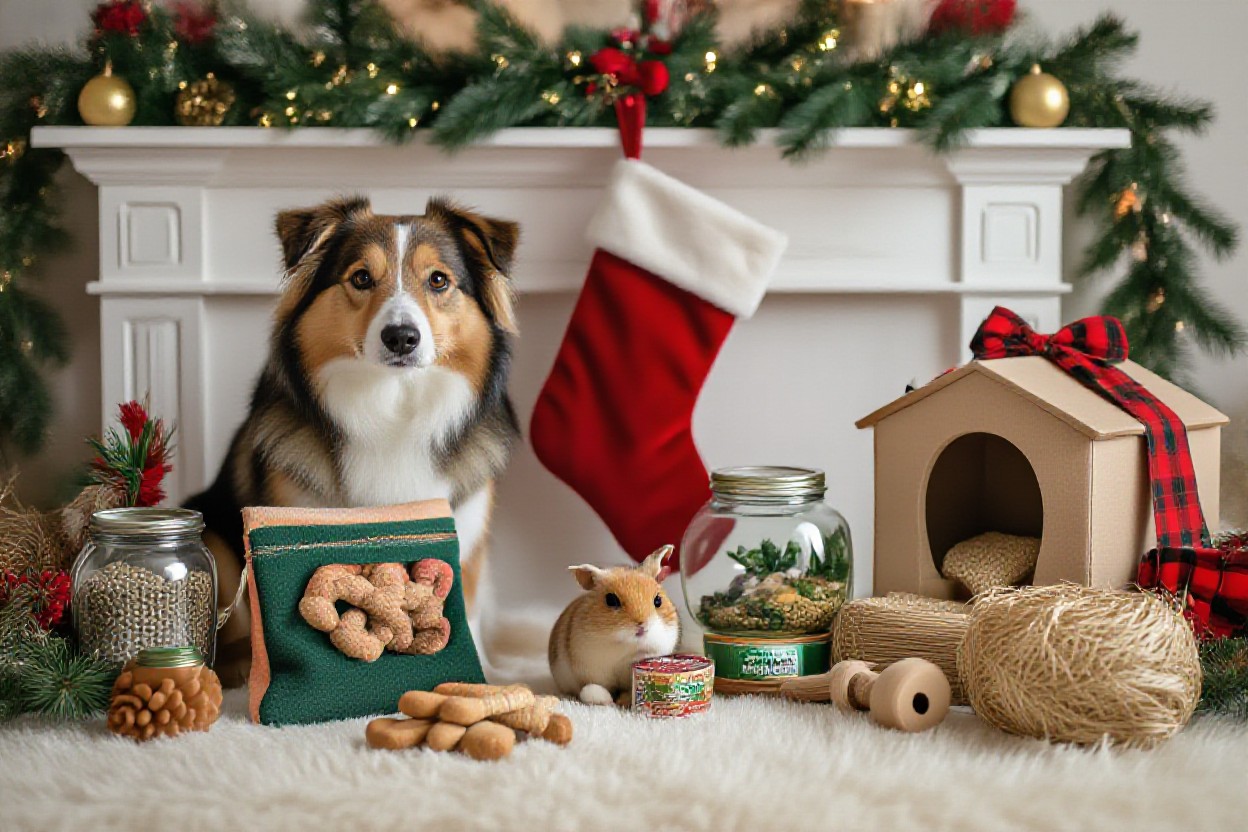
The Real Deal About Treats: Why Kids Aren’t the Only Ones Who Love ‘Em
People tend to think treats are just sugary bribes for kids, but your pets are quietly running the same scam on you every day. Those big eyes? Pure marketing. The trick is making sure the snack-fest lines up with their health, not against it. Most dogs should get no more than 10% of their daily calories from treats, and cats are even more sensitive, so when you’re handing out goodies on Christmas morning, you’re basically managing a tiny, furry nutrition project in a Santa hat.
Healthy Treats for Goodies
A lot of owners assume a “pet treat” label means it’s automatically healthy, but some biscuits hit harder than fast food. So you want to flip that bag over and actually use the nutrition panel. Short ingredient lists, named meats (like chicken or salmon), and under 5% added sugar are your best friends. Toss in some real-food options too – a few carrot coins for dogs or a teaspoon of plain cooked chicken for cats – and suddenly your Christmas snack spread looks pretty impressive.
Homemade vs. Store-Bought: What’s Best?
Most people think homemade treats are always better, but it’s not quite that simple, especially when you’re winging recipes from TikTok. Store-bought snacks from reputable brands are often tested for safety, balanced for fat and protein, and clearly labeled with calorie counts, which makes portion control way easier. Homemade goodies can shine when you’ve got pets with allergies or sensitive stomachs, since you control every ingredient, yet you really do need vet-approved recipes so you’re not accidentally overloading salt, fat, or xylitol-sweetened peanut butter. In the end, mixing both – a trusted commercial treat plus a couple of simple DIY recipes – usually gives your pet the safest, happiest holiday plate.
What a lot of people don’t realize is that “homemade” doesn’t automatically mean safe, it just means unregulated, and that can go sideways fast if you’re tossing in random pantry stuff. So if you’re baking Christmas biscuits for your dog, you’ll want to skip things like nutmeg, raisins, chocolate, and watch oils because even a few extra tablespoons can spike calories more than you think. Using vet-formulated recipes or checking with your vet for basic ratios (like no more than 1 teaspoon of oil per 20 kg dog per treat batch) keeps those cute bone-shaped cookies from turning into a stomachache.
Store-bought, on the flip side, can actually be the safer bet for everyday use, especially when you stick with brands that publish feeding trials and list calorie counts per treat right on the bag. You get consistency, shelf stability, and you don’t have to guess if that cookie is 5 calories or 50. But homemade really shines when you’ve got a pup with poultry allergies or a cat that can’t handle certain fillers, because you can build around a single protein source like lamb or salmon and keep the ingredient list as clean as it gets.
So the sweet spot for your Christmas gifting tends to be a blend: a bag of high-quality commercial treats for daily training and quick wins, plus a small batch of homemade “holiday special” snacks you whip up once or twice a year. That way you get the best of both worlds – science-backed nutrition on autopilot, and that cozy feeling of making something just for your pet. And your dog or cat, honestly, just cares that you’re handing over the goods.
Cozy Comforts: Who Doesn’t Love a Snuggle?
Plenty of people think pets are fine sleeping anywhere, but your couch and a balled-up hoodie really can’t beat gear designed for deep, safe rest. When you dial in cozy comforts, you support joints, ease anxiety and even cut down on midnight zoomies because your buddy actually slept well. Studies show dogs and cats sleep 12-18 hours a day, so upgrading that “sleep station” is a high-impact gift. Think plush beds, layered blankets, and snug little corners that feel like a den, not just a random spot on the floor.
Pet Beds that Rock
Most people grab the cutest bed on sale, but your pet cares way more about support and temperature than the pattern on the cover. Orthopedic memory foam can help older pets with arthritis, while bolster beds give anxious pups a raised edge to lean into, which can lower stress and heart rate. If your home runs hot, you might want a cooling-gel bed; colder houses call for faux-fur donut beds that trap warmth. Just measure your pet nose-to-tail and size up so they can fully stretch without hanging off like a sleepy acrobat.
Blankets and Cushions for Maximum Cuddle
It’s easy to assume your pet doesn’t need their own blanket when you’ve got plenty, but fabrics made for animals hold up way better to claws, fur and constant washing. Soft fleece or microfiber throws are gentle on skin, while quilted, waterproof layers protect your sofa from drool and muddy paws, which is a pretty big win for your furniture. Even a couple of small cushions can turn a boring corner into a cozy “yes, this spot is yours” cuddle zone. And when you keep a few dedicated pet blankets, you also cut down on fur spread all over the house.
What really surprises people is how much behavior can shift once you dial in the right combo of blankets and cushions, because comfort isn’t just about being warm, it’s about feeling secure. When you stack a couple of medium-weight fleece blankets, you create layers your pet can dig, circle and nest into, which mimics the natural denning behavior researchers see in both dogs and cats. Add one or two firm-but-squishy cushions and suddenly you’ve got a 3D space instead of a flat mat, and many anxious pets choose that spot consistently, which can reduce pacing, whining and restlessness in the evening. If you live in a colder climate, doubling up with a sherpa-lined blanket keeps core temperature more stable during those 2 a.m. cold snaps, and because these textiles are designed for frequent washing, you can toss them in the machine weekly without them turning into a sad, lumpy mess.
Fashion Forward: Is Your Pet Ready for a Wardrobe Upgrade?
Compared to toys that end up under the couch, a wardrobe upgrade actually works double-duty: it looks cute and solves real problems like cold, mud, and visibility. You get to show off your pet’s personality with a holiday sweater, reflective harness, or cozy fleece, while quietly getting benefits like reduced shedding on your clothes and better control on walks. And because fit matters more than logos, you want soft fabrics, adjustable straps, and zero tight spots around joints or under the arms.
Cute Costumes for the Holiday Spirit
Think of holiday costumes as the party version of your pet’s usual outfit – short-term, high-fun, low-stress. You might go for a simple reindeer headband, lightweight elf hoodie, or a soft Santa bandana instead of a stiff full-body suit that rubs and overheats. Always check that your pet can walk, sit, and lie down normally, and skip anything with tiny parts they could chew off. If your dog or cat looks frozen or keeps pawing the outfit, you’re better off with a festive collar or bow tie instead.
Practical Gear for All Seasons
While costumes are a once-in-a-while thing, everyday gear quietly works hard for your pet all year. A waterproof winter coat, reflective rain jacket, or mesh summer vest can make walks safer and way more comfortable, especially if you live somewhere that actually has seasons. You might add non-slip booties for icy sidewalks or hot pavement, and a snug fleece layer for thin-coated or senior pets who get cold fast. It doesn’t have to be fancy – it just has to fit well, be comfy, and match the weather you’re actually dealing with.
Because “all seasons” really means all the weird in-between days too, you want a small rotation of gear that covers temperature swings, rain, and low light. A lot of vets recommend keeping your dog under about 20 minutes on hot asphalt without protective booties, and that number drops if the pavement hits 125°F, so those little shoes aren’t just for Instagram. In winter, a lined coat with a belly panel protects vital organs and keeps road salt from irritating skin, while reflective trim can make your pet up to three times more visible to drivers on dark walks. For summer, a breathable harness that doesn’t trap heat around the chest, plus a lightweight cooling bandana you can re-wet on the go, keeps your walks safer without turning your dog into a sweaty mess.
Experiences Over Stuff: Shouldn’t We Be Thinking Outside the Box?
Instead of another squeaky toy, you could give your pet something they actually crave: quality time and new experiences. Short road trips, sniff-heavy walks in new neighborhoods, a quiet grooming session they actually enjoy, or a training class that challenges their brain – all of that sticks with them far longer than a random rubber bone. You’re basically trading clutter for memories, and your pet feels the difference every single day.
Treating Them to a Day of Fun
Rather than piling up more stuff, you could plan a full-on “pet day” with back-to-back things your animal already loves. Think a long morning walk, a slow sniffari around the block, a frozen lick mat while you wrap presents, then an evening cuddle session with a new interactive game. It doesn’t have to be fancy or expensive, it just has to be intentionally about them, not the shopping list.
Puppy Playdates and Social Time
Instead of another plush toy your dog will shred in 15 minutes, you might get more mileage out of one solid hour of safe, well-matched play. Setting up a puppy playdate with a calm, vaccinated buddy in a fenced yard or renting a private dog park for 30-60 minutes can burn off way more energy than a solo walk. You’re not just tiring them out, you’re building social skills and confidence that last long after the holidays are over.
When you line up puppy playdates and social time the right way, you’re basically investing in your dog’s emotional health, not just their entertainment. You pick playmates with a similar size and play style, cap sessions at 20-30 minutes for young pups, and watch for loose, wiggly bodies and those quick play bows that mean everyone’s having a good time. Short breaks every 10 minutes keep arousal from boiling over into scuffles, and if you rotate in structured activities – simple recall games, sit-for-greetings, name recognition – your dog practices manners in a real-world setting, which is gold for future vet visits, walks, and family gatherings.
Final Words
Hence about 67% of pet owners say their animals get holiday gifts too, so you’re clearly not alone in wanting to spoil your furry buddy. You just want your pet happy, calm, and healthy – and that means picking gifts that fit your pet’s real needs, not just what looks cute on a shelf.
So as you wrap things up, focus on toys that tap into natural instincts, treats that support health, and comfy gear that makes your pet feel safe at home. If your pet lights up when they see it, you nailed it.